
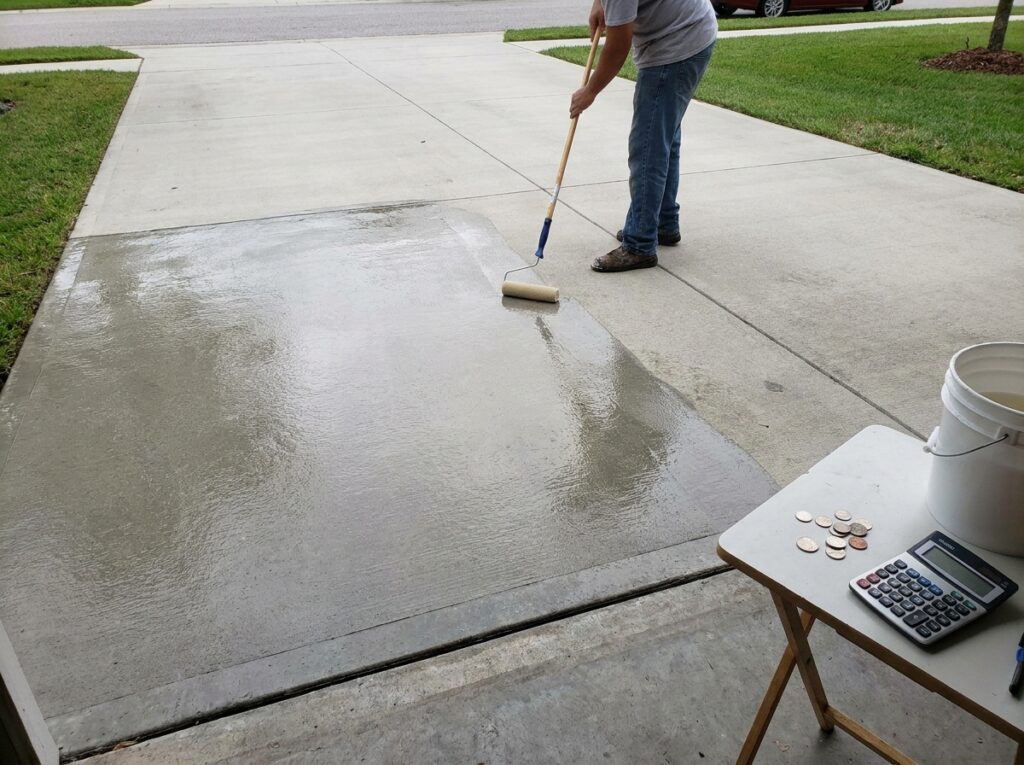
Concrete sealing is a relatively small construction or maintenance expense, but it can have a major impact on the service life and appearance of a concrete surface. Whether you are sealing a driveway, garage floor, patio, sidewalk, basement floor, or decorative concrete, the right sealer can help protect the surface from moisture, staining, chemicals, UV exposure, and everyday wear.
So, how much does it cost to seal concrete?
In 2026, a typical professional concrete sealing project can cost roughly $2 to $3 per square foot, depending on the sealer, surface condition, preparation requirements, location, and project size. Small DIY projects can cost considerably less, while large or premium coating systems can cost several thousand dollars.
The actual cost to seal concrete depends on more than the price of the sealer itself. Surface preparation, repairs, labor, equipment, old coating removal, and the type of protection required can all change the final price.
Average Cost to Seal Concrete
| Project | Typical Cost |
|---|---|
| Small DIY project | $40–$200+ |
| Professional sealing | $2–$3/sq. ft. |
| 200 sq. ft. patio | $250–$600 |
| 576 sq. ft. 2-car driveway | $575–$1,700 |
| 360 sq. ft. garage floor | $360–$1,080 |
| Large or premium coating project | $3,000+ |
These figures are useful for preliminary budgeting, but contractors should calculate the actual material quantity, labor, surface preparation, equipment, and local pricing before submitting a bid.
For contractors who need a detailed concrete quantity and cost breakdown, Digital Estimating provides Concrete Estimating Services covering material quantities, labor, reinforcement, site conditions, and project-specific cost factors.
What Determines the Cost of Concrete Sealing?
Several factors influence the final concrete sealing price.
1. Surface Size
The larger the concrete area, the more material and labor are required. A small sidewalk may only require a few gallons of sealer, while a large driveway, warehouse floor, or commercial slab can require significantly more.
2. Type of Sealer
Different sealers provide different levels of protection.
Common options include:
- Acrylic sealers
- Polyurethane sealers
- Epoxy coatings
- Penetrating sealers
- Silicate sealers
- Siloxane sealers
- Polyaspartic coatings
Acrylic is generally more economical for decorative and light-use surfaces, while polyurethane, epoxy, and polyaspartic systems are better suited to areas exposed to heavier traffic, chemicals, or abrasion.
3. Concrete Condition
New, clean concrete is easier to seal than an old surface covered with oil, dirt, paint, cracks, or an existing coating.
Before sealing, contractors may need to:
- Pressure wash the surface
- Remove grease and oil
- Strip old coatings
- Repair cracks
- Patch damaged areas
- Grind or profile the concrete
- Allow the surface to dry completely
The more preparation required, the higher the project cost.
4. Labor
Labor rates vary by location and project complexity. Simple sealing may require limited labor, while epoxy or polyaspartic systems can involve extensive preparation, multiple coats, specialized equipment, and longer installation procedures.
5. Project Location
Concrete sealing costs vary across the United States because labor rates, material availability, climate, contractor demand, and transportation costs differ by market.
This is why a national average should be treated as a starting point rather than a final bid price.
Concrete Sealing Cost Per Square Foot
For preliminary budgeting, professional concrete sealing often falls around $2–$3 per square foot, although simpler or more complex projects can fall outside this range.
| Concrete Area | Approximate Professional Cost |
|---|---|
| 50 sq. ft. | $100–$150 |
| 100 sq. ft. | $200–$300 |
| 150 sq. ft. | $300–$450 |
| 250 sq. ft. | $500–$750 |
| 500 sq. ft. | $1,000–$1,500 |
| 1,000 sq. ft. | $2,000–$3,000 |
Larger projects may receive a lower effective price per square foot because fixed setup and mobilization costs are spread across a larger area.
Concrete Sealer Cost by Type
The type of product selected can have a substantial impact on material costs.
| Sealer Type | Typical Cost/Gallon | Typical Application |
|---|---|---|
| Acrylic | $35–$80 | Patios, decorative concrete |
| Polyurethane | $20–$90 | Driveways, garages, high traffic |
| Epoxy | $40–$125 | Garages, commercial floors |
| Penetrating sealer | Varies | Exterior and moisture protection |
| Polyaspartic | Premium | High-performance floors |
Acrylic Sealer
Acrylic sealers are popular because they are relatively affordable and easy to apply. They work well for patios, decorative concrete, sidewalks, and other surfaces that do not experience severe abrasion.
The disadvantage is longevity. Acrylic may require more frequent resealing than higher-performance systems.
Polyurethane Sealer
Polyurethane provides stronger resistance to abrasion, chemicals, and heavy traffic. It is often appropriate for garages, driveways, commercial areas, and other surfaces where durability matters.
Epoxy Coating
Epoxy creates a thicker protective surface and is commonly used on garage floors and heavy-use areas. It provides excellent resistance to stains and chemicals but generally requires more extensive preparation and installation.
Penetrating Sealers
Penetrating sealers absorb into the concrete instead of creating a thick surface film. Silicates and siloxanes can be useful when the goal is moisture resistance while maintaining a more natural concrete appearance.
Cost to Seal a Concrete Driveway
Driveways are exposed to vehicle traffic, rain, sunlight, oil, deicing chemicals, and temperature changes. Sealing can help reduce surface deterioration and staining.
A typical 2-car driveway of approximately 576 square feet may cost around $575–$1,700 to seal, depending on the product and preparation requirements.
Premium epoxy or polyaspartic systems can cost considerably more.
The cost increases when the driveway requires:
- Crack repair
- Oil stain removal
- Pressure washing
- Grinding
- Existing coating removal
- Multiple coating applications
- Decorative finishes
Cost to Seal a Concrete Garage Floor
A typical 360-square-foot garage floor may cost approximately $360–$1,080 depending on the system and condition of the floor.
Garage floors often need more preparation because they can contain:
- Oil stains
- Tire marks
- Grease
- Moisture
- Existing coatings
- Surface deterioration
For garages, durability is usually more important than simply choosing the cheapest sealer.
Cost to Seal a Concrete Patio
A standard 10×20-foot patio contains approximately 200 square feet of concrete.
Sealing this area may cost approximately $250–$600, depending on the surface condition and sealer selected.
Acrylic and penetrating sealers are commonly considered for patios, while higher-performance coatings may make sense where the patio receives heavy foot traffic or frequent outdoor entertaining.
Additional Concrete Sealing Costs
The sealer itself is only one component of the project.
| Additional Work | Potential Cost Impact |
|---|---|
| Surface cleaning | Varies by condition |
| Old coating removal | Can significantly increase cost |
| Crack repairs | Depends on damage |
| Concrete patching | Depends on repair area |
| Grinding/surface profiling | Additional labor/equipment |
| Premium coating system | Higher material and labor cost |
| Decorative finish | Additional cost |
This is particularly important for contractors preparing bids. A simple square-foot allowance can underestimate a project when significant preparation is required.
Cleaning and Surface Preparation
Proper preparation is one of the most important parts of concrete sealing.
The surface should generally be:
- Clean
- Dry
- Free from grease and contaminants
- Structurally sound
- Properly profiled when required by the coating system
Applying a sealer over dirt, oil, moisture, or an incompatible old coating can lead to poor adhesion, peeling, bubbling, discoloration, or premature failure.
For larger construction projects, Digital Estimating’s Concrete Takeoff Services can help quantify concrete-related materials and incorporate project-specific cost factors into an estimate.
DIY vs. Professional Concrete Sealing
DIY sealing can be economical for small, straightforward projects.
DIY may make sense for:
- Small patios
- Sidewalks
- Small basement floors
- Light-use concrete
- Surfaces in good condition
Professional installation is generally more appropriate when:
- The area is large
- The concrete is heavily damaged
- Old coatings must be removed
- Moisture is present
- Epoxy or polyaspartic systems are being installed
- Surface preparation is extensive
- The project has commercial requirements
Basic DIY tools may include:
- Roller
- Squeegee
- Paintbrush
- Sprayer
- Pressure washer
- Cleaning equipment
DIY can reduce labor costs, but mistakes in preparation or application can create additional repair expenses.
How Long Does Concrete Sealer Last?
The lifespan depends on the product, exposure, traffic, and surface preparation.
Typical ranges include:
- Acrylic: approximately 1–3 years
- Polyurethane: approximately 5–10 years
- Epoxy systems: approximately 5–10+ years
- Penetrating sealers: lifespan varies by product and exposure
Exterior surfaces exposed to sunlight, rain, freeze-thaw cycles, and traffic may require more frequent maintenance.
Is Sealing Concrete Worth the Cost?
For many applications, yes.
A properly selected and installed sealer can help:
- Reduce moisture penetration
- Protect against staining
- Improve appearance
- Reduce surface deterioration
- Protect against chemical exposure
- Extend maintenance intervals
- Reduce long-term repair requirements
However, sealing does not correct structural problems. Major cracking, settlement, drainage issues, or failing concrete should be evaluated and addressed before applying a protective coating.
How to Save Money on Concrete Sealing
Choose the Appropriate Sealer
Do not automatically select the most expensive product. A residential patio may not require the same coating system as a commercial garage.
Complete Basic Preparation Yourself
Where appropriate, homeowners may reduce labor costs by cleaning, sweeping, and removing loose debris before professional work begins.
Combine Preparation and Sealing
If a contractor is already mobilized for concrete repairs or cleaning, combining work can sometimes reduce duplicate setup costs.
Compare Detailed Quotes
Ask contractors to separate:
- Material
- Labor
- Preparation
- Repairs
- Equipment
- Coating
- Cleanup
This makes it easier to compare bids accurately.
How Contractors Should Estimate Concrete Sealing Projects
For contractors, the correct approach is more detailed than multiplying square footage by a generic rate.
A reliable estimate should account for:
- Total surface area
- Sealer coverage rate
- Number of coats
- Product type
- Surface preparation
- Crack repairs
- Cleaning
- Labor productivity
- Equipment
- Mobilization
- Waste
- Local material pricing
- Project schedule
Digital Estimating’s Construction Estimating Services can support contractors with detailed quantity takeoffs, labor and material pricing, and bid-ready cost breakdowns.
Final Thoughts
The cost to seal concrete can range from a relatively small DIY expense to several thousand dollars for a large or premium professional project. A reasonable starting point for professional work is approximately $2–$3 per square foot, but the actual price depends on the concrete’s condition, sealer type, preparation, labor, location, and project complexity.
Before starting a project, evaluate the surface condition, select the appropriate sealer, calculate material requirements, and account for preparation costs.
For contractors bidding larger concrete projects, accurate quantities and current local pricing are essential. A professional Concrete Pricing Calculator can help with preliminary budgeting, while a project-specific estimate provides a more reliable basis for bidding.
Frequently Asked Questions
How much does it cost to seal concrete?
Professional concrete sealing commonly costs around $2–$3 per square foot, although simple DIY projects can cost much less and premium coating systems can cost substantially more.
What is the cheapest way to seal concrete?
DIY sealing with an appropriate acrylic or penetrating sealer can be one of the more economical approaches for small surfaces in good condition.
How often should concrete be sealed?
The interval depends on the sealer and exposure. Acrylic may require resealing every few years, while high-performance polyurethane or epoxy systems can last considerably longer.
Is it better to seal or coat concrete?
Sealing and coating serve different purposes. Penetrating or thin-film sealers can provide protection while maintaining the appearance of concrete, while epoxy and similar coatings create a thicker protective surface.
Does concrete need to be cleaned before sealing?
Yes. Dirt, oil, grease, moisture, and incompatible coatings can interfere with adhesion and reduce the service life of the sealer.